
Your Photos Tell a Story: How to Preserve the Memories Behind the Pictures
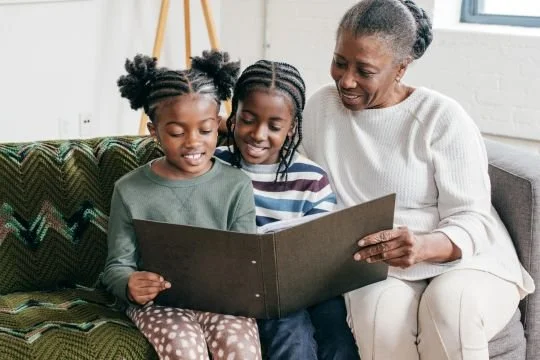
Have you ever looked at an old family photo and had more questions than answers?
Who is standing next to Grandma?
Where was this taken?
What year was it?
Why was everyone dressed up?
Someone probably knew the answers to all of those questions once. But somewhere along the way, the story behind the photo was lost.
Now think about the thousands of digital photos we're taking today.
We have pictures of birthdays and vacations, but we also have everyday moments, our kids playing in the backyard, family traditions, favorite places, and ordinary days that don't seem especially important right now.
We may remember all the details today.
But will our children know those stories 20 or 30 years from now?
That's why preserving our family photos is about more than simply saving the pictures. We also want to preserve some of the stories that go with them.
The Photo Isn't the Whole Story
Photos are wonderful at showing us what a moment looked like.
But they can't always tell us what was happening.
A photo doesn't tell you the funny thing your child said five minutes before you took it. It doesn't explain why your family visits the same pumpkin patch every October. It doesn't tell you who the people in the background are or why that ordinary afternoon at Grandma's house became one of your favorite memories.
Those little details are what turn a collection of pictures into your family's story.
But before you start thinking, Great, now I need to write something about the 30,000 photos on my phone, you don't!
You don't need to document every photo.
Preserve the stories you don't want your family to lose.
That might be the story behind one favorite vacation photo. A family tradition. Something funny your child said. The reason a certain place was special to your family. Or simply what everyday life looked like during a particular season.
A few sentences can be enough.
Simple Ways to Save the Stories
Preserving the stories behind your photos doesn't have to become another huge project on your to-do list. There are simple ways to make it part of what you're already doing.
Add journaling to your family yearbooks.
When I work on our family yearbooks, I don't include only photos. I also add a little journaling about what we did, what was happening in our lives, and details I want us to remember. Years from now, those words will help tell the story the pictures can't tell on their own.
Create albums on your phone around family traditions.
One of my favorites is my "Best of Halloween" album. I have favorite Halloween photos of my boys from over the years saved together in one album on my phone. Every October, I can easily look back through the costumes, the different ages, and all those Halloweens we've celebrated together. It's a simple way to see that part of their childhood unfold in one place.
You could do the same thing with Christmas mornings, first days of school, family vacations, birthdays, or any tradition that's important to your family.
Write down the story behind meaningful photos.
You don't need a fancy system. Add a caption, type a few sentences in your Notes app, or save the story in a document until you're ready to use it in an album.
The important thing is getting the memory out of your head and somewhere it can be saved.
Ask about the older photos.
If you have family photos filled with people or places you don't recognize, ask about them while you can.
You don't need to sit down and tackle an entire box of photos. Bring out five pictures when you're with a parent, grandparent, aunt, uncle, or another family member.
Ask who is in them. Ask where they were taken. Ask what they remember.
And write down the answers.
Think About Who Will Have These Photos Someday
This is something I believe we need to think about more when it comes to our digital photos.
We're taking more pictures than any generation before us. But someday, those photos will become part of our family's legacy.
Will our children know where they are?
Will they be able to access them?
Will they know who's in them?
Will they understand why certain photos and memories mattered?
Creating a photo legacy isn't only about having a good backup system, although that's incredibly important.
It's also about leaving behind a photo collection that means something to the people we love.
Backing up your photos protects the files. Preserving the stories protects your family's history.
And we don't have to wait until someday to start doing that.
Start With One Story
You don't need to spend this weekend documenting your family's entire history.
Start with one photo.
Choose a picture you love and write down what you remember.
Or pull out an older family photo and text it to your mom, dad, grandparent, or another family member and ask:
Can you tell me about this?
One photo.
One conversation.
One story preserved.
Because your family doesn't need a perfectly documented photo collection.
They just need you to preserve the stories you don't want them to lose.