
How to Catch Up on Years of Family Photos—One Yearbook at a Time
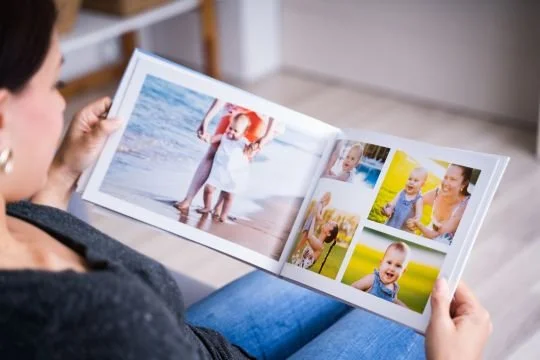
If you feel behind on your family yearbook, let’s clear something up right away: you didn’t fail. Life didn’t go according to plan because life was full. Busy seasons, big moments, and everyday chaos have a way of pushing memory keeping to the back burner, and that’s completely normal.
Most people assume catching up means hours of scrolling, impossible decisions, and trying to recreate years perfectly. That’s not true. Catching up doesn’t require perfection, creativity, or a massive time commitment. It requires a simpler definition of “done” and a willingness to move forward instead of reliving everything.
In this post, I’m sharing the calm, realistic approach I use to catch up on family yearbooks without guilt or overwhelm. If you’ve been staring at years of photos thinking, I’ll get to this someday, this is your permission slip to start now, one year, one step at a time.
Step 1: Redefine What “Done” Looks Like for a Catch-Up Year
The biggest mistake people make when catching up on a family yearbook is trying to make it look like the year just happened. Catch-up years aren’t meant to be documented week by week. They’re meant to tell the story of a season, and that changes everything.
Instead of aiming for completeness, aim for a highlight reel. Think vacations, holidays, birthdays, and the everyday moments that still stand out when you look back. You don’t need every soccer game, every random Tuesday, or every blurry photo to make the year meaningful.
This shift is what makes catching up possible. When you give yourself permission to keep it simple, the pressure lifts and momentum returns. Done doesn’t mean perfect; it means finished. And finished is what allows you to move forward.
Step 2: Choose Your Photos Before You Design Anything
Before you open a design program or think about layouts, pause and focus on one thing: photo selection. This step is where most people get stuck, but it doesn’t have to be complicated. The goal isn’t to find every good photo; it’s to choose the ones that still make you feel something when you see them.
Start by creating a folder for the year you’re working on and give it a clear name, like “2022 Family Yearbook Photos.” Then, go through your photo library, wherever most of your photos live—Apple Photos, Google Photos, Amazon Photos, or an external hard drive and copy (not drag) any photo that stands out into that folder. Trust your gut. If it tells a story, it belongs.
Try not to edit yourself too much here. Vacations, holidays, birthdays, and everyday moments will naturally rise to the top. And remember, this step works best when it’s done before design. Choosing photos first removes overwhelm later and makes the rest of the process feel surprisingly light.
Step 3: Let the Year Fall Into Months Naturally
Once your photos are chosen, the structure of your yearbook will start to reveal itself. You don’t need a detailed plan or strict rules. Most years naturally organize themselves around months. Vacations, holidays, birthdays, and seasonal rhythms create natural chapters without much effort.
As you look through your selected photos, begin grouping them by month. Some months will have more to say, and others will be quieter. That’s okay. A slower month doesn’t mean it doesn’t matter. It just means life was happening in a different way.
This step gives your book a gentle framework without adding pressure. You’re not forcing a story; you’re noticing one that’s already there. Once the year is loosely broken into months, the design process becomes far less intimidating and much easier to move through.
Step 4: Design Quickly Without Overthinking
This is where catching up can either stall out or finally move forward. The goal of the design phase isn’t to be creative or perfect. It’s to get the book done. Choosing a simple, efficient design tool makes all the difference.
I highly recommend using Album Stomp for catch-up yearbooks. It’s incredibly fast, creates collage-style layouts in seconds, and gives you plenty of flexibility to move photos around or adjust page designs without starting over. You can add journaling directly in Album Stomp or keep it simple by labeling each month; both work beautifully.
If you’re already comfortable with the Project Life App, that’s another great option, especially if you prefer a more scrapbook-style approach. The key is choosing a tool that helps you keep moving. Momentum matters more than polish here, and a finished yearbook you can hold will always beat a perfect one that never gets printed.
Step 5: Print the Book and Let It Be Done
Once your pages are finished, it’s time to print, and this is where so many people hesitate. Don’t. Catch-up yearbooks aren’t meant to be endlessly refined. They’re meant to be finished, enjoyed, and moved off your mental load.
Export your pages, upload them to your preferred printing service, and place the order. Resist the urge to keep tweaking or second-guessing your choices. You can always do things differently next time, but you can’t enjoy a book that never gets printed.
When the book arrives, celebrate that win. Flip through it. Put it on your shelf. Let it remind you that progress happened. One finished yearbook is a huge step forward, and it makes every future memory-keeping project feel lighter.
How This Connects Back to Your Weekly System
Catching up on past yearbooks is important, but it’s not meant to be your long-term strategy. The real win is pairing a catch-up project with a simple weekly rhythm that keeps you from falling behind again.
Once you finish one catch-up year, the weekly system takes over. Favoriting photos during the week and creating one page at a time removes the pressure to ever “catch up” like this again. Future years stay manageable because the work is already being done in small, consistent steps.
Think of catching up as clearing the backlog and the weekly system as the habit that protects your peace going forward. Together, they create a sustainable way to preserve your family’s memories without overwhelm or guilt.
Progress Starts With One Step
If you’re feeling behind, let this be the moment you release the guilt. You didn’t miss your chance to preserve your family’s memories. You’re just starting from where you are now. One finished yearbook is a win. One small step forward counts.
You don’t need to do every year at once. Choose one year. Choose one next step. Let progress build confidence as you go. Memory keeping isn’t about doing it perfectly; it’s about making your memories visible and accessible again.
And if you love the idea of having these books but want support, I offer photo book design services, from helping you organize and choose photos to designing the entire book for you. Whether you want guidance or want to hand it off completely, I’d be honored to help you turn your photos into something you can actually hold and enjoy.